
Getting out on a bicycle is not only great for your health but also a fantastic way to easily get from A to B. This week is Road Safety Week so we wanted to provide some information to help people with E-bike safety. With the introduction of E-bikes, getting from A to B has become even easier, providing that extra support when you need it. As a leading solicitor dealing with cycling personal injury claims, Nadia Kerr, a Partner at Fletchers Solicitors and part of the Cycle SOS team, aims to answer some common questions around E-bike safety. There are a lot of similarities between pedal bike riding but there are a few things to look forward to.
How Can People Stay Safe on an E-Bike?
Here are a few tips to help you stay safe before riding on an E-bike:
- Buy Approved: Look for a sign on the bike indicating the manufacturer’s name and power output.
- Avoid Adaptations: Stick to the original design to ensure safety.
- Bikeability Training: Consider taking a bikeability training course.
- Refresh Highway Code Knowledge: Keep up-to-date with the Highway Code guidance on cycling.
- Maintenance: Regularly maintain your bike.
- Tyre Pressure: Inflate tyres to the guide pressure, which is usually displayed on the tyre wall. Here’s a guide:
| Bike Type | PSI Range |
| Kids’ bike tires
|
20–40 PSI |
| Narrow tires / road bikes (most e-bikes fall into this) | 80–130 PSI |
| Medium tires / hybrid bikes
|
50–70 PSI |
| Thick tires / Fat tire e-bikes & mountain bikes | 30 PSI (off-road)
50 PSI (on-road) |
Here are a few tips to help you stay safe whilst riding on an E-bike:
- Wear a Helmet: Wearing a helmet is the most critical safety measure for any cyclist, reducing the risk of head injuries by 70% and the likelihood of fatal head injuries by 65%. This is especially important for e-bike riders, who can reach higher speeds.
- Be Visible and Audible: Ensure visibility with front and rear lights and wear brightly colored or reflective clothing. Use a bell or horn to alert others of your presence.
- Secure Footwear: Wear proper, secure footwear. Not flip-flops or loose shoes and consider clip-in pedals for more control.
- Caution When Mounting/Dismounting: E-bikes are heavier than regular bikes, making mounting and dismounting potentially hazardous. Be cautious and consider seeking help if necessary.
- Use Mirrors: Mirrors help you see behind without turning your head, improving safety by keeping you aware of your surroundings.
- Watch Your Speed and Braking: E-bikes can reach high speeds, so be mindful of your speed and practice braking earlier to account for the bike’s added weight and velocity.
What Are the Main Concerns and Risks of Using E-Bikes?
While E-bikes are generally a safe form of transport, there are a few concerns to be aware of:
- Battery Charging: Overcharging can cause fires, so use approved batteries and chargers to reduce the risk of this.
- Running Out of Charge: Lack of charging points can leave riders stranded, highlighting the need for better infrastructure. Plan this before your journey if it is a longer one.
- Second-Hand Purchases: Be cautious of ‘chipped’ bikes or non-approved batteries in second-hand purchases.
- Regulations: E-bikes exceeding 25kph (15.5mph), with more than 250 Watts power, or providing motor assistance without pedaling, need to be registered with the DVLA, insured, and require the rider to have a helmet, insurance, and a driving licence as they are legally classed as a moped or motorcycle.
Specific Maintenance Tips for charging E-Bikes
Follow these maintenance tips to ensure safety:
- Battery Charging: Do not leave your battery charging overnight and follow the manufacturer’s guidelines. Charging overnight can negatively affect the battery.
Tips for Buying an E-Bike
- Approved Dealers: Buy from an approved dealer.
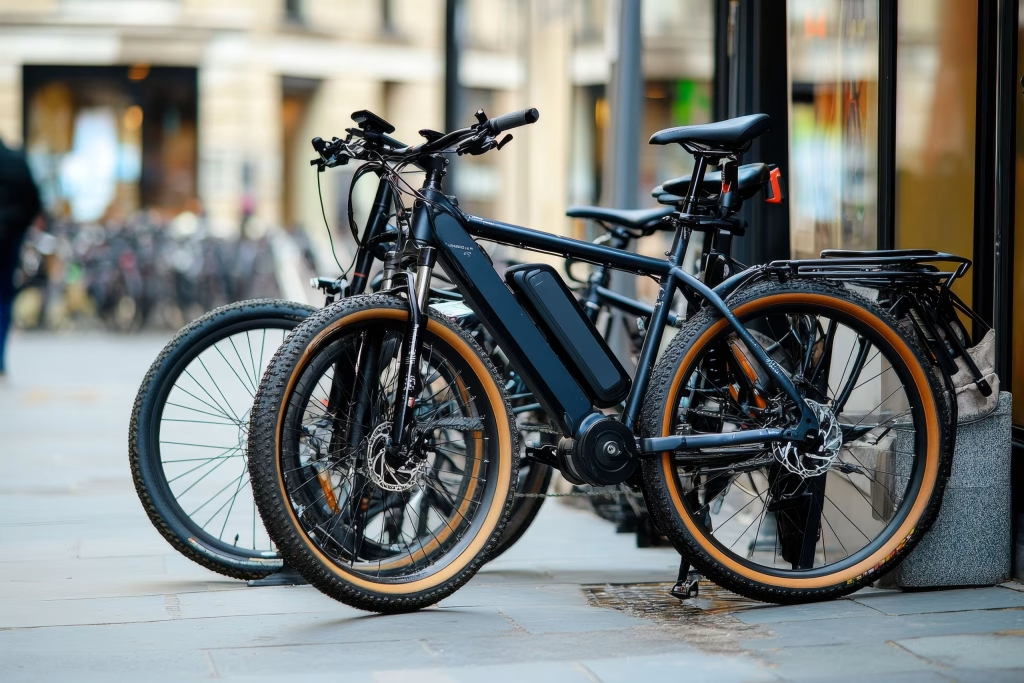
- Fit and Purpose: Ensure the bike fits you and suits your intended use, whether for road or off-road. Consider things like tyre size for example. Off road have chunkier tyres and consider if you need carry space on the bike for luggage.
- Weight: Check the weight of the bike and ensure it fits within the weight limits of your bike rack if using on a car bike rack.
Legal Position on ‘Twist and Go’ E-Bikes
As was highlighted in a Cycling UK article. The law around E-bikes is complicated. There is some uncertainty in the UK regarding ‘twist and go’ E-bikes, classified under EU law as ‘powered cycles.’ These bikes, which do not require pedaling for the motor to engage, are legal if bought before certain regulations and limited to 250 Watts power. Be cautious when purchasing these bikes, whether new or second-hand and make sure the current law allows you to use them.
Proposed Changes to E-Bike Regulations
There are proposed changes to increase the legal power of E-bikes and to allow ‘twist and go’ EAPCs to have throttle assistance up to 15.5mph without type approval. There is much talk about this consultation and how this will change. The current categories of E-bikes are defined to protect vulnerable road users. The hierarchy of road user was introduced for a reason – to protect the most vulnerable. The faster (and bigger) a bike is able to go the more likely an incident will cause more severe injuries It’s crucial to maintain safety standards to protect all road users.
Legal Implications of E-Bike Accidents
If you are injured on an e-bike and someone else is at fault, consult a cycling claims specialist who will be able to advise the best way forward. They can arrange for bike repairs, medical treatment, and compensation for your injuries and losses. Claims can be brought against other road users, local authorities for road defects, or manufacturers for defective bikes.
Other Legal Considerations if you are at fault
If you cause injuries while using an E-bike, you might face a claim against you. Check with your insurer if you have coverage under your bike-specific or household insurance, usually if you have they will appoint someone to handle a claim on your behalf.
How Can Cycle SOS Help in an E-Bike Accident?
- Bike Repair or Replacement: Arrange repairs or replacements for your bike as part of a personal injury claim.
- Early Treatment: Help you recover optimally with early medical treatment and some treatment which may not be available on the NHS.
- Legal Claims: Deal with the responsible party and claim compensation for injuries and losses.
Key Message Around E-Bike Use
Enjoy the freedom that cycling brings. E-bikes offer a decent range, allowing you to explore at a comfortable pace. If you are not fully confident, consider a cycle training course. Join group rides to follow experienced cyclists and discover great routes. Use your bike for short local journeys instead of your car and enjoy the benefits of cycling. Stay safe and have fun!